Water Damage Restoration in East Boston, MA
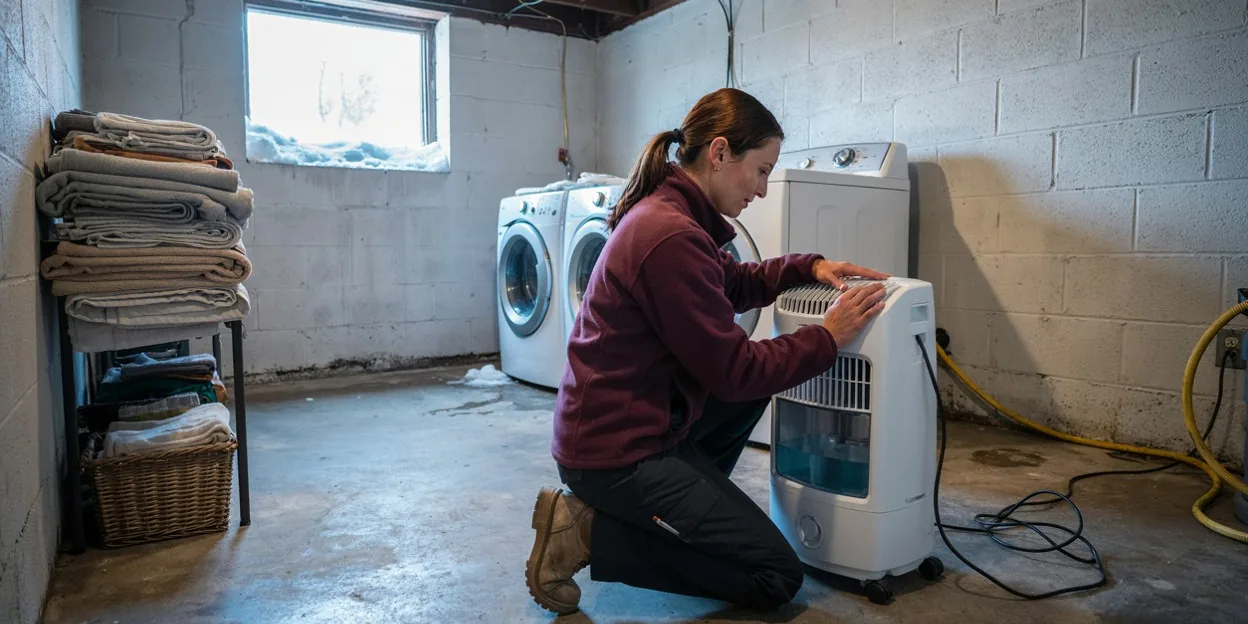
East Boston was five islands until the 1830s, when the gaps between them were filled to make one neighborhood. The housing is triple-deckers and brick rowhouses built from 1880 through 1920 on Eagle Hill, Jeffries Point, and the streets around Maverick and Central Squares, with the newer Orient Heights section on the high ground toward Winthrop. The filled land between the old islands is low, and the cellars there sit close to the harbor's water table.
The January 4, 2018 nor'easter put seawater on Border Street, Bremen Street, and the Greenway, and into basements and garages along the waterfront. Chelsea Creek on the north side floods the low blocks of Eagle Hill when a storm meets a high tide. Between storms, the combined sewers back up into basement drains in a hard rain, and the February 2023 freeze split pipes in cold outside walls across the neighborhood.
East Boston water damage on filled ground
Seawater or sewer water in a cellar after a storm is basement flooding cleanup or sewage cleanup, depending on where it came in. A triple-decker with a frozen pipe on the top floor is frozen pipe cleanup for all three units. The fieldstone and brick cellars here hold damp longer than most, and the drying has to be run by the meter.
East Boston's triple-deckers follow the same script as Dorchester's: the tenant on three notices the wet floor, the family on two sees the ceiling stain, and the owner finds the basement the next morning. Get the main valve shut, knock on every door, and photograph each unit before anything is moved. After a coastal storm, salt stays in the concrete and the framing, and anything porous the tide touched is treated as contaminated. Flood insurance through the national program is separate from a homeowner policy, and the waterfront losses here are usually handled under it.
Tide, marsh, and permits in East Boston
Water and sewer service comes from the Boston Water and Sewer Commission, and rebuild permits go through the city's Inspectional Services Department. At the neighborhood's northern edge, Belle Isle Marsh is the last large salt marsh left in the city, and it takes the tide that would otherwise reach the houses of Orient Heights.
Call (857) 524-9927 now and tell us what you see. A local water damage provider serving East Boston takes it from there.
Services Available in East Boston
Water Extraction
Standing water pumped and vacuumed out of a flooded basement or a wet floor, then the first meter readings to see where it traveled.
Structural Drying
Air movers and dehumidifiers set by moisture readings, with checks until plaster, joists, and subfloor reach their target.
Basement Flooding Cleanup
Water pulled out of a fieldstone or brick basement, wet finishes and stored belongings sorted, and the space dried before it turns musty.
Frozen Pipe Cleanup
Cleanup after a pipe froze in an outside wall or a cold cellar and let go on the thaw, including the days it may have run unseen.
Burst Pipe Water Damage
The water a failed supply line or old galvanized pipe sent through floors, plaster, and the unit below, extracted and dried.
Sewage Cleanup
Sewer backup and black-water removal with protective gear, contained disposal, and disinfection of the surfaces that stay.
Ceiling Water Damage Repair
A stained or sagging plaster ceiling traced to the bathroom or radiator above, dried from both sides, and rebuilt.
Sump Pump Failure Cleanup
Basement water removed after a pump lost power or could not keep up with a spring rain, then the walls and floor dried out.